So you’ve got to create a scope and sequence for a science unit, but how can you make this an effective unit of work? This requires careful planning and consideration of the student’s needs and abilities. Here are some steps to help you create an effective scope and sequence:
- Determine the learning objectives:
Identify the key concepts and skills that you want your students to learn in this unit. These learning objectives should be specific, measurable, achievable, relevant, and time-bound (SMART).
- Assess prior knowledge:
Before you begin teaching, assess your students’ prior knowledge of the topic. This will help you identify any misconceptions that they may have and tailor your teaching accordingly.
- Organize the content:
Organize the content into logical and meaningful chunks that build upon each other. Ensure that you cover the most important concepts first and build on these as you progress.
- Determine the sequence of instruction:
Decide on the order in which you will present the content to your students. Consider the difficulty level of the concepts, the relevance to the students, and any prerequisites necessary to understand a particular concept.
- Choose instructional strategies:
Select instructional strategies that are appropriate for the learning objectives and the needs of your students. Some examples include hands-on experiments, group work, multimedia presentations, and teacher-led discussions.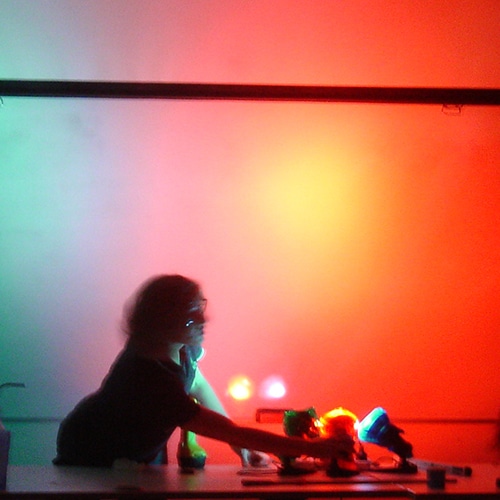
- Plan assessments:
Plan assessments that align with your learning objectives and the content covered in the unit. These assessments should provide evidence of student learning and allow you to evaluate their progress.
- Review and revise:
After teaching the unit, review and revise the scope and sequence based on your observations and student performance. Use this information to improve your teaching and create more effective units in the future.
By following these steps, you can create an effective scope and sequence for a primary science teaching unit that helps your students achieve the learning objectives and develop a love for science!
Happy teaching,
Ben Newsome.

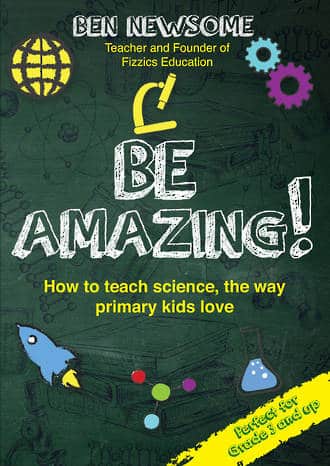
Primary science teaching book
“Be Amazing! How to teach science, the way primary kids love”
Want more ideas for teaching science?
Subscribe to the FizzicsEd Podcast!