When it comes to observing nature and learning about the environment using their senses, there are several skills that students can practice. These skills will help them notice the little things in the landscape, such as insects, flowers, the effects of sunlight on plant growth, plant associations, bird interactions, and more. Here are some suggestions on how to incorporate various skills into your teaching:
- Observation Skills
Encourage students to slow down and take their time to carefully observe their surroundings. Teach them to use all of their senses: sight, hearing, touch and smell. Guide them to pay attention to details, such as the shape, colour, texture, and patterns of leaves, flowers, and insects. Encourage them to ask questions about what they observe and to question why is the landscape formed the way they see it? Why are the plants growing in certain ways? How are animals interacting with the habitat and why?

- Drawing Skills
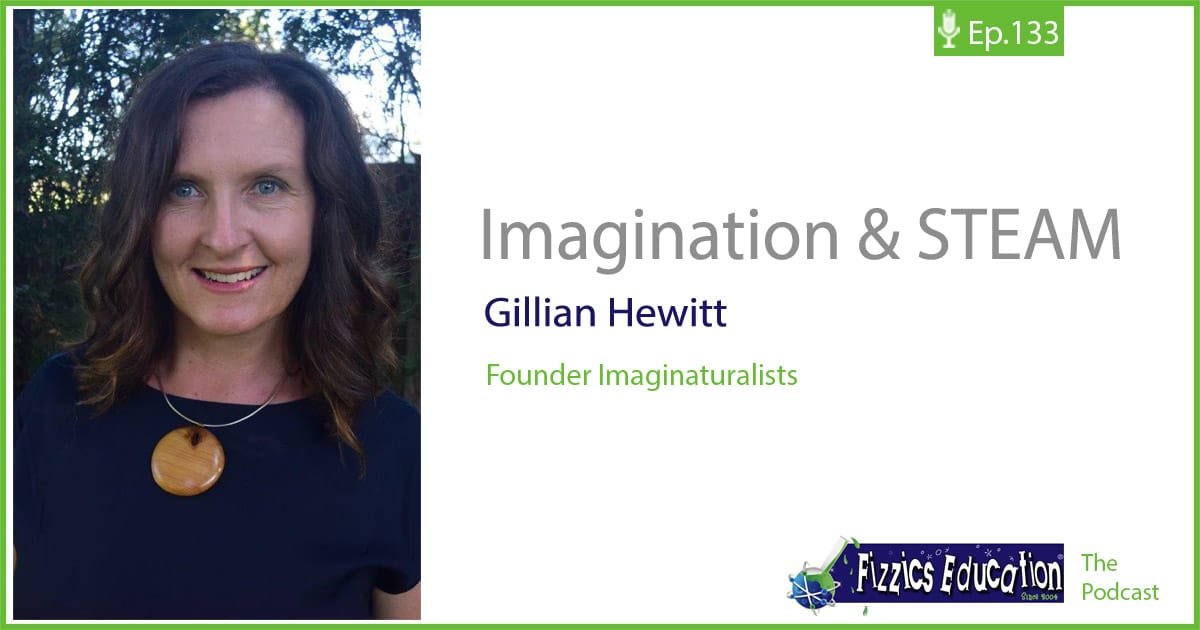
Introduce basic drawing techniques to your students, such as sketching, shading, and adding details. These skills will allow them to capture their observations more accurately and in greater detail. Provide opportunities for students to draw what they see in nature. Biological drawing is a skill; challenge the students to draw the fine details found on flowers and label them. This podcast with Gillian Hewitt goes into great detail about this!
- Audio Recording
In addition to visual observations, encourage students to make audio recordings of nature sounds, such as bird songs, rustling leaves, or water flowing. This will enhance their sensory experience and deepen their understanding of the environment. Teach them how to use simple recording devices or smartphone apps to capture high-quality audio. Later, they can analyze and discuss the recorded sounds in the classroom. There are also citizen science apps such as FrogID that will allow your students to send their recordings to scientists too!
- Observational Reports
Guide your students in creating detailed observational reports about their nature experiences. Encourage them to use descriptive language, incorporating sensory details and specific observations. Ask them to write about the interactions they observe between plants, insects, and birds, noting any patterns or associations they notice. Help them organize their reports by focusing on specific topics or themes. More on creating detailed scientific reports here.
- Field Trips and Outdoor Activities
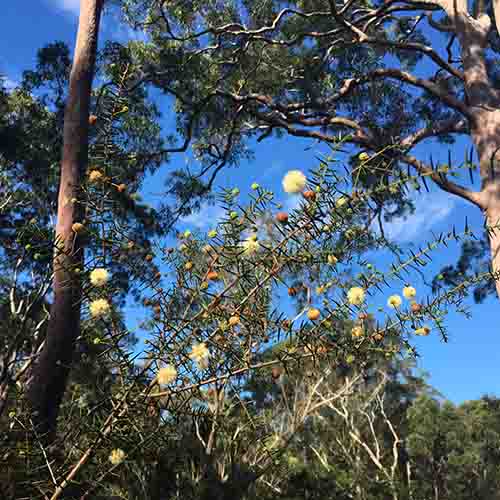
Plan field trips to local parks, nature reserves, or even the school garden. These trips provide hands-on experiences and ample opportunities for students to practice their observational skills. Engage them in activities such as identifying plant species, observing insect behaviour, or listening to bird calls. Allow them to apply their drawing skills and record their observations in their journals.
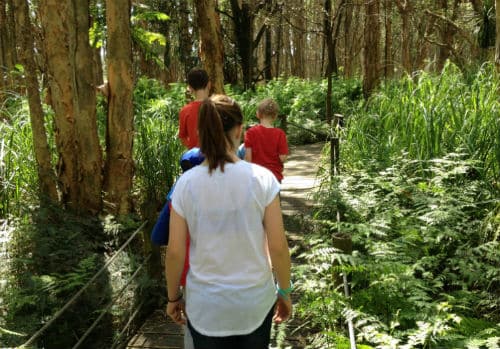
By incorporating these skills and activities into your teaching, you will help your students develop a deeper connection with nature and cultivate their observational skills. Encourage them to explore, ask questions, and make connections between different elements of the environment. Remember to provide guidance and feedback throughout the process, fostering a sense of curiosity and scientific inquiry.
Happy teaching,

Primary science teaching book!
“Be Amazing! How to teach science, the way primary kids love”

Want more ideas for teaching science?
Subscribe to the FizzicsEd Podcast!