Discover the QLD Virtual STEM Academy, an initiative Queensland Government’s Advancing Education: An action plan for education in Queensland. After only a couple of years, it has been making a massive difference in providing deep STEM enrichment for highly capable Year 5 to 9 rural and remote students across Queensland.
This is done by posing Grand Challenges that STEM will solve, connecting students with passionate teachers and experts from university and industry in an immersive virtual space. Underpinned by a problem-based learning approach, these course challenges enrich student learning and inspire a passion for STEM.
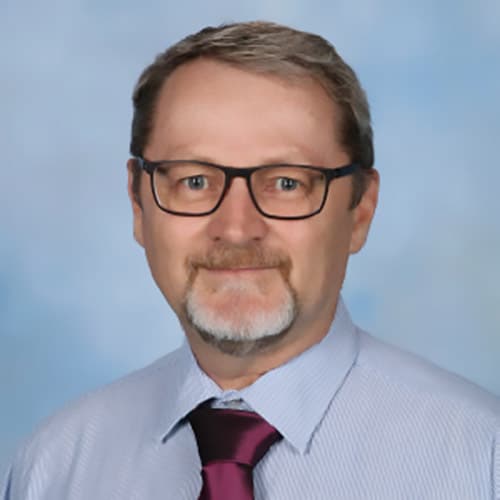
Deputy Principal, Queensland Virtual STEM Academy | Queensland Academy for Science, Mathematics and Technology.
Glenn Beaumont possesses an extensive teaching background spanning the primary, secondary, and distance education sectors. His diverse leadership roles have included Science and Technology Head of Department and Principal of Middle Years. Glenn is currently completing his PhD, exploring the dynamics of adolescent curiosity within science learning environments.
About Breeha Sinnamon
Breeha Sinnamon
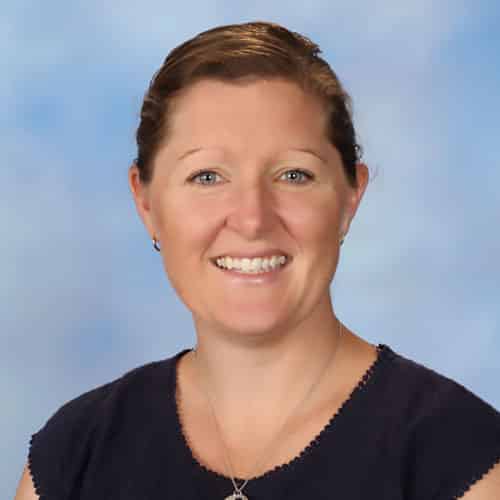
QVSA Central Queensland Coordinator, Rockhampton State High School.
Breeha Sinnamon has been an educator for over 15 years, specialising in STEM and Physical Education. Based at Rockhampton State High School, she delivers STEM enrichment programmes to students in Years 5–9, focusing on student-centred immersion programmes developed in collaboration with CQUniversity.
About Wendy Bode
Wendy Bode
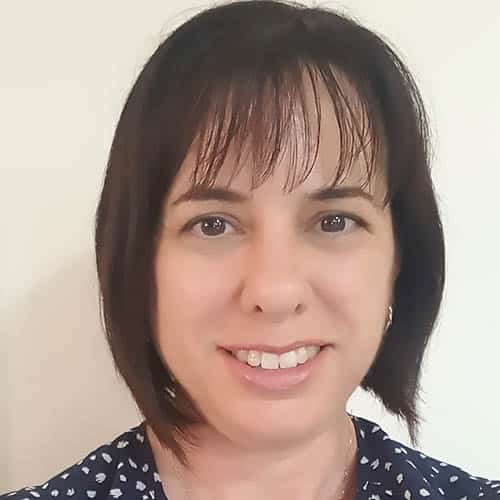
Deputy Principal, Global Tropics Future Project | Thuringowa State High School.
Wendy Bode leads the Global Tropics Future Project, a partnership between the Queensland Department of Education and James Cook University. Her work focuses on maximising the potential of gifted and talented students and strengthening educational outcomes for Indigenous and rural students.
Top 3 Learnings
Virtual Peer Collaboration: Connecting high-potential students with like-minded peers via virtual excursions and collaborative platforms is essential for fostering confidence and a sense of belonging in regional areas.
Authentic Industry Integration: Successful STEM education requires moving beyond textbooks to incorporate real-world data and challenges provided by university and industry partners.
Equity through Innovation: Strategic distance learning models, like the Solid Pathways project, can effectively bridge the gap for Indigenous and remote students, providing them with the same high-level opportunities as their metropolitan counterparts.
Education Tip
When implementing inquiry-based learning in a virtual setting, prioritise synchronous ‘face-to-face’ time for discussion and debate. This human connection transforms a digital platform from a content delivery tool into a vibrant, collaborative classroom that sparks curiosity and deep thinking.
Advancing STEM Education in Queensland
In 2016, the Queensland Government launched Advancing Education: An Action Plan for Education in Queensland. A cornerstone of this strategic roadmap was the rigorous enhancement and development of Science, Technology, Engineering, and Mathematics (STEM) education, ensuring Queensland students are equipped for the workforce of the future.
The Queensland Virtual STEM Academy (QVSA) operates as a sophisticated network of sites hosted within select state schools. This network is coordinated through the Queensland Academy for Science, Mathematics and Technology (QASMT), the state’s premier STEM specialist school. The QVSA at QASMT delivers high-level courses for the Darling Downs and North Coast regions and collaborates extensively with the Solid Pathways Project to embed STEM excellence into their established initiatives.
Across North Queensland, the Global Tropics Futures Project—hosted at Thuringowa State High School—manages course delivery through a strategic partnership with James Cook University. Meanwhile, for students in Central Queensland (CQ), the QVSA hub at Rockhampton State High School provides essential access to STEM programmes supported by Central Queensland University.
[00:00:18]Ben Newsome: Yes, welcome again for another Fizzics Ed Podcast. Glad to have you again for another chat around science and STEM and all that sort of thing. This week is interesting. We’re hanging out with three highly passionate educators who are part of the Queensland Virtual STEM Academy. If you haven’t come across them, it is well worth your time because the QVSA, the Queensland Virtual STEM Academy, is doing a majorly cool thing with kids from remote and rural areas right across Queensland.
[00:00:44]Ben Newsome: You see, it’s an initiative of the Queensland Government’s Advancing Education and Action Plan for Education in Queensland, and it has a brilliant structure. It’s all about posing grand challenges that STEM will solve, and connecting students from all over the place with passionate teachers and experts from university and industry in an immersive virtual space.
[00:01:00]Ben Newsome: It’s so cool. And it’s underpinned by problem solving and very much about challenging kids and getting them to really learn about how STEM truly works in the real world.
[00:01:09]Ben Newsome: Our three people that we get to hang out with are Glenn Beaumont, Breeha Sinnamon and Wendy Bode. A little bit about our three people. Glenn Beaumont is a Deputy Principal. He’s with the Queensland Virtual STEM Academy. And he’s also part of the Queensland Academy for Science Mathematics and Technology. He loves his science stuff, and he’s been doing this for 30 years. He’s taught with primary and secondary students in metropolitan, regional and distance education settings.
[00:01:31]Ben Newsome: And so much so, he’s actually completing his PhD exploring adolescent curiosity in learning science.
[00:01:37]Ben Newsome: Also joining us today is Breeha Sinnamon, who is QVSA’s Central Queensland Coordinator. She’s coming out of Rockhampton State High School, where she’s taught for over 15 years and has a true passion for STEM, science and physical education. She’s actually all part of getting STEM enrichment to work across QVSA, and she’s working in conjunction with Central Queensland University all in the process.
[00:01:58]Ben Newsome: Also we have joining us Wendy Bode, who is a Deputy Principal and part of the Global Tropics Future project at Thuringowa State High School. And this is such a cool job. She’s working in partnership with the Queensland Department of Education and James Cook University for this project called the Global Tropics Future project. And it’s all about providing opportunities for like-minded students to connect collaboratively and explore their passion for STEM as they become future problem solvers.
[00:02:24]Ben Newsome: And she’s bringing 20 years of experience as a science teacher and a Head of Department, and she’s helping really shape the future of STEM education in North Queensland. Wow, quite an intro. Three really, really cool people, and we get to hear what is the Queensland Virtual STEM Academy all about and just why you might want to find out a little bit more. So let’s duck right into it.
[00:02:44]Announcer: This is the Fizzics Ed Podcast. We’re all about science, ed tech and more. To see 100 fun free experiments you can do with your class, go to fizzicseducation.com.au. That’s physics spelled F I Z Z I C S and click 100 free experiments.
[00:03:02]Ben Newsome: Glenn, Breeha, Wendy, welcome to the Fizzics Ed Podcast.
[00:03:05]Wendy Bode: Hi.
[00:03:06]Breeha Sinnamon: Hi Ben.
[00:03:07]Ben Newsome: It’s great to have you here. I tell you what, it’s always a lot of fun trying to coordinate lots of us all on a call, but it’s great to have you. I thought I’d just sort of ask, we’ve got a really, really cool concept here, and it’s a really great programme that’s happening in Queensland. But you know what? You’re the ones who know it more than I do. So Glenn, what is this all about?
[00:03:27]Glenn Beaumont: Thanks. I’ll just give a little quick context. So really this, the QVSA originated from a Department of Education Advancing Education agenda, surprisingly enough. And it was about creating schools of the future. And what it does is it brings together the intent of building future STEM leaders. So building and developing students into future STEM leaders. It’s about supporting rural, remote and Indigenous learners to extend their learning and provide lots of extra opportunities in STEM.
[00:04:02]Glenn Beaumont: I suppose the Queensland Virtual STEM Academy was created and had a fairly clear purpose, it’s written down in all of our work. And it’s inspiring a passion and aspiration for STEM through innovative learning, enriching opportunities and transformational partnerships. And one of the things that we like to say a lot, it’s about creating more than opportunity. So rather than just kids having lots of bits and little pieces of opportunity, we want to create more and we want to deepen and extend what we’re doing. But I know Wendy is keen to share some further information.
[00:04:36]Wendy Bode: Thanks Glenn. Look, I’d probably just go back to the very beginning where we first started the Queensland Virtual STEM Academy, and it was in 2017 where Glenn in Brisbane at the Queensland Academy of Science Mathematics and Technology, and myself in Townsville at Thuringowa State High School, first started delivering these grand challenges and skill builder courses.
[00:05:00]Wendy Bode: And from there, the success of the programme just built and built, and Breeha in Rockhampton joined us in 2018 for a quick trial at the end of that year. And then Breeha started full implementation in 2019. And now it’s expanded to include the Solid Pathways network as well in Brisbane. So it’s created this massive network across the state so that we can actually build the STEM enrichment capabilities of rural, remote, Indigenous students and female students as well. And working all together, we can just encapsulate all of the students who just would not have this opportunity any other way.
[00:05:42]Wendy Bode: So distance is not a barrier for us or for the students, and you have remote students connecting with a Dean from a local university. It’s just so powerful and something I would never have experienced when I was at school.
[00:05:58]Wendy Bode: But from this, I probably should explain the courses themselves. And our grand challenges are designed upon a rich STEM global, national or local problem. And the students are developing an innovation or a solution to this problem, and they’re developing their 21st-century skills at the same time. And in a course, you can have students from five, six different schools spread all across Queensland. So you can have a student who’s on the border between Queensland and Northern Territory collaborating with someone who’s on the coast of Queensland.
[00:06:33]Wendy Bode: But I’ll give an example of one grand challenge that we are delivering, and we’ve delivered it quite a few times now. Last year, Townsville suffered from floods very badly, the monster monsoon. And from that, I could see students really struggling with how to deal with a flood. We’re in a cyclone area, so I like to say we’re used to that. We know what to do in a cyclone, but with floods, we just didn’t know what to do. And I saw students getting text messages, flooding imminent, you need to get out. And they were getting confused and scared.
[00:07:11]Wendy Bode: And just happened that Townsville City Council and emergency management contacted me and said, we need to do something, we need to build the resilience of these students. And so from there, we had a group of people, the Townsville City Council, James Cook University, Queensland Fire and Emergency Services, Red Cross, Queensland Reconstruction Authority, the Australian Institute for Disaster Resilience, all of these people recognising that this was an issue and we needed to be building the resilience of our students for a changing climate. Because big topic, it’s happening.
[00:07:47]Wendy Bode: So we have a grand challenge and it’s always over-enrolled, because schools want their students to be building their resilience in the community as well.
[00:07:58]Ben Newsome: I imagine over-enrolled would totally be the case. Considering how many schools there are in Queensland, there’s not a shortage, you have a lot of schools. How many people are you dealing with here? How many students?
[00:08:10]Glenn Beaumont: Do you want me to answer that, Wendy, or?
[00:08:11]Wendy Bode: Yeah, that’s okay.
[00:08:12]Glenn Beaumont: I’ve got the numbers. They tell me I like the numbers. We started Wendy, I think originally with only a couple of hundred kids in that 2017 trial. And in the following year, once we did that, we climbed up to around about a thousand. And this year we think we’ll push over 2,000 students all getting access to these 10-week courses, grand challenges and skill builders. And that’s spread across the whole state.
[00:08:44]Wendy Bode: I think it’d be good if Breeha could share an example of a grand challenge that she has delivered.
[00:08:48]Breeha Sinnamon: Yay, Breeha! We’re the newest member of the network, and it’s been really heartening to be part of this team. And I know that my students have benefited from working with Wendy and Glenn and their teams as well. So I take a lot of inspiration from those guys and what they do. We try to write grand challenges that are 21st-century problems as well that the kids would engage with, but mostly the things that we like as well.
[00:09:19]Breeha Sinnamon: So our new favourite grand challenge is called Mission to Mars. And it’s about solving problems in terms of colonising Mars that the astronauts might come up with. We actually run a junior, which is five, six, and a senior programme, which is seven to nine, because it was so popular, we’ve had to separate it. And we run two courses per round so far. And our expert is Professor Steven Moore, who works here at Central Queensland University, and he’s a specialist in space health.
[00:09:51]Breeha Sinnamon: But he’s also worked with NASA previously, and he’s done some work with my favourite astronaut, Chris Hadfield. So he’s like the rock star of our experts. The kids just love him, and so do I. I come into every session Professor Steve is in. He’s so down-to-earth, but he gives the kids that authenticity. Where can I go with my study? What can I do?
[00:10:18]Breeha Sinnamon: And what I really like about him is that he’s very upfront with the kids. They say things to him like, what’s cool about Saturn? And he’s like, you know what, I don’t know, because I’m a specialist in space health. And it gives those kids that idea that you can, when they’re doing their curriculum learning, we expect them to be good at everything. They have to be good at biology, they have to be good at chemistry, whatever. But when you go to university, it’s that idea that you can specialise in that little niche. And Professor Steve, he has his niche and he fits in that.
[00:10:46]Breeha Sinnamon: And the kids just love it. And the fact that he is always willing to come on in, they come in, Ben, in week two or three and they introduce themselves and what they do. And then the experts come back in week six or seven of our programme and mentor the kids, give them some guidance, and they really build that relationship. Then they come back in right at the end and listen to the kids’ presentations. And these kids have a real connection with these experts. And it just provides them with that link that they ordinarily would not have if we didn’t have this STEM academy for them.
[00:11:19]Ben Newsome: And what I love about this STEM academy is, it is fairly new and yet it’s exponentially growing. You hit a thousand, you’re going to have 2,000, by definition it is. Is that kind of what you thought it was going to do?
[00:11:36]Glenn Beaumont: Well, we all hoped that it would grow to that sort of level. We know the number of students out there in rural and remote areas, the need is there. There’s certainly a lot of schools that could do this and we bring that opportunity to them. I see potential for it to grow even further.
[00:11:58]Ben Newsome: There’ll be people listening in for sure going righto, I’m in Queensland and I’ve got some kids and I know we need to extend them. How on earth do we identify these kids and even try and get them into this sort of thing? The fact that you’re over-enrolled makes it sort of tough. How do the kids get into this sort of thing? Knowing that there’s only so many places they can hang out with a professor. This is a really cool opportunity and it must be sort of tough to work out who gets in.
[00:12:26]Breeha Sinnamon: Well, I laugh at this Ben because Wendy and I, and Glenn, we all have a real problem saying no.
[00:12:34]Wendy Bode: Yes we do.
[00:12:35]Breeha Sinnamon: So when schools contact us and they want to be part of it, we just kind of make it work because if there’s a kid out there that wants to be part of this, who are we to say no? So we will make it work for them.
[00:12:46]Wendy Bode: And then we just add more courses. My teaching team has expanded from two to now is seven, plus me is eight. As the enrolments are growing and tripling, then so does the number of courses. And so does the, you know, you need experts, you need industry involvement. Even though the numbers are getting bigger as well, we need to make sure that we are providing that quality of our grand challenges and our skill builders. And that authenticity comes from industry partnership.
[00:13:16]Ben Newsome: Absolutely. That’s one of the things that makes these things shine is linking up with industry. It’s such a big thing. There’s one that happens in New South Wales called SISP, and finding industry partners that actually have true buy-in and really want to actually dedicate the staff and resources to it makes all the difference.
[00:13:38]Ben Newsome: And I guess you’re finding exactly this. This is a new programme, even describing what the programme might look like might have been an interesting thing. And now you’ve got that happening. Is it a challenge initially working with industry or are they clamouring to work with you? I wanted to sort of get an idea of how it’s like onboarding an industry partner because to people listening in who haven’t done that before and you’ve done it. I’m just curious to see what was that process like.
[00:14:04]Glenn Beaumont: Go Wendy, this is really your…
[00:14:06]Wendy Bode: Oh, you do, you do this so well.
[00:14:10]Glenn Beaumont: Oh, thanks Glenn.
[00:14:12]Wendy Bode: It all comes down to having that same vision and passion and wanting students to understand their world and their industry. And when we are educating students about a particular industry, then that makes them more aware of the potential for STEM careers down the track.
[00:14:30]Wendy Bode: For example, we have a mining grand challenge, and to have experts come in and talk to the students about the mining industry, they get a much better idea of actually working in the industry rather than just what they’ve heard in the community.
[00:14:48]Wendy Bode: And you also find people at the university, like we work with James Cook University here in Townsville. There’s a plastic revolution grand challenge that we deliver, and those scientists are so passionate about informing our students about their research and really inspiring students to take that pathway into university. So it’s finding those people who really want to make a difference to students and interacting with their industry and their research.
[00:15:17]Glenn Beaumont: It is a challenge though, isn’t it, sometimes to get people to come in and play in the space with us. But as you said Wendy, when they do get in and see that passion, there’s not many people in industry and research who don’t like sharing, and working with people around their passion. So that really works best when they’re playing in that space.
[00:15:39]Ben Newsome: Absolutely so. Having industry involved is one thing, but actually seeing a genuine career pathway is a thing, especially when they can see the end game, because you’re hanging out in a high school, you know you’re going to leave school at some point. But actually hearing it from the real deal, what it’s really like in the real industry makes all the difference.
[00:16:01]Ben Newsome: But then partnering with a university is kind of cool because then they can hear what sort of courses they sort of might need to do and why would you bother. That’s a really good mix.
[00:16:10]Breeha Sinnamon: Ben, there’s also, I keep throwing out the skill builders and grand challenges that we are delivering. However, we have an Arduino skill builder, and the university will, we have PhD students who actually mentor the students through that course. So they can ask, they build this relationship with the industry expert and they can ask the industry expert, how did you get there and what did you have to do to get there? Because students in schools, they can really only see what they can see. So we need to be exposing them to more.
[00:16:43]Glenn Beaumont: Yeah, and sometimes they don’t get that message from their parents or their school as closely and as relevant as what those PhD students or third and fourth year students can give. Because the world has changed a lot in university and what they can do.
[00:16:56]Ben Newsome: Absolutely so. With these skill-building things, so the kid gets dropped in front of an Arduino. They go, righto, I didn’t even know what an Arduino is, for example. A kid might go, I’ve got no idea. How much background do they have to have to be able to get involved with this sort of thing?
[00:17:14]Breeha Sinnamon: Nothing. We do, the way we structure our courses is we know the kids are bright and capable and we go from that position. What’s probably different is the speed at which we may go through things like Arduino. And the challenges and the expectations. And you get that from the experts and you get that from hearing the industry context around that.
[00:17:34]Ben Newsome: Can I actually ask? I remember as a kid, I got thrown through some of these things and I had an absolute ball. But they were fairly prescriptive. They’re probably like, do the thing, then do the next thing, then you get another procedure, then you get to do the thing and then the thing gets done. How open-ended is this? For a student who really wants to play, they can do some outlandish stuff if you give them enough rope.
[00:17:55]Glenn Beaumont: So we have an underwriting all of our grand challenges a problem-based learning approach. So within that context, students need to engage deeply at first in the topic and get an understanding, and what we do is we then build discipline knowledge and skills because it’s all about, if you want to understand and engage deeply, you need to have the understanding, the conceptual knowledge and the skills. But then it’s all about student agency. There’s not a course where these students in the grand challenges can’t bend and apply their own passion and their interest and build and create whatever innovation they like. Like, they go rogue. They can go absolutely rogue if they really want to and we support them in providing the solution.
[00:18:30]Wendy Bode: Like I can’t tell you how many variations of things these students have created to solve a problem. And what I love, I think Breeha there was a brilliant story from one of your courses around it was just one around the waging war on waste, when the expert, well you tell me, you tell the story about the waging war on waste.
[00:18:54]Breeha Sinnamon: Yeah, where the expert actually the boys ideated an app that would help reduce food waste and the expert wanted to put in some backing in order to get it off the ground. They wanted to be associated with putting the app out there.
[00:19:12]Breeha Sinnamon: But following on from what Glenn was saying, the kids drive their grand challenge solutions. And so, for example, we just ran the round two bushfire reduction grand challenge where we have two firemen that are our experts that come in and the kids love them. Because like everyone loves a firefighter, right? And they ask the best questions. And one of the boys, when they finished, he said to me, I’ve never been asked what my second favourite piece of equipment on my fire truck is before.
[00:19:37]Breeha Sinnamon: But in the same grand challenge, we had two kids design bushfire-resistant housing and they used research and data from Australian bushfires from 2020 to guide that. In the same grand challenge, we had two boys design an AI-inspired drone that would carry tanks of water to identify hot spots. And then a an army of smaller drones would then move to that spot and drop water on those bushfires.
[00:20:09]Breeha Sinnamon: That’s alongside in the same grand challenge kids who designed an awareness programme and an app that was based off the COVID safe app, but they had a bit of a look at how that could work without it needing a phone connection. How could they do that?
[00:20:25]Breeha Sinnamon: So these kids, these are like 10-year-old kids. And they’re just amazing. They honestly, every time we sit in a grand challenge presentation, they blow our minds. And you just think these kids are the future and this programme gives them that space to you know, to go deeply into the knowledge, but then to be creative. And it just this is the best job in the world, Ben. I couldn’t ask for a better job.
[00:20:53]Ben Newsome: Totally. I mean, I was actually just thinking, just listening into this. It’s going, it’s like an incubator in a lot of ways. I mean, yeah, you’ve got their grand challenges they’ve got to design. But to a student, actually connecting with industry and the fact that they actually want to pour a little bit of cash into a conceptual idea, that is like the real deal. That’s what actually happens in the real world. That experience they will well, they’ll keep for a very long time and most likely apply it.
[00:21:26]Ben Newsome: I imagine having this conversation in 10 years’ time. I wonder what outputs, what impacts we’d expect. I suspect they’d be broad. Definitely are. That’s really, really cool.
[00:21:38]Ben Newsome: So thinking about the outputs, impacts and blah, blah, blah, that we often hear in schools. Imagine you get the questions that righto, so we’ve got x amount of time. Is it on top of their classwork? Is it during their classwork? How do you work with individual school teachers to make sure that it’s not impeding upon their time and also making sure it’s high quality time given to those students?
[00:22:04]Wendy Bode: Well, gee, Glenn, do you want to take that question or do you want me to take that question?
[00:22:08]Glenn Beaumont: Alright, I can take that question if you like.
[00:22:11]Ben Newsome: We need a virtual like a hot potato!
[00:22:16]Wendy Bode: Well, Ben, the thing is, the thing is that we have students who will come off class to go to instrumental music. We have students who’ll come off class to go to PE. So why not have students that are excelling in class come off and go and do the STEM enrichment courses? So that’s how we look at it there.
[00:22:36]Wendy Bode: We have evidence to show as well that the skills that they are developing in the grand challenges and skill builders is transferring into their regular classroom. And that is what brings schools back time and time again. So we send out an EOI to schools at the end of the year and they’re coming back all of the time. And the schools that have been there from the very first time back in 2017 and they’re still enrolling students. So that fact is enough to tell us that we are the students are excelling.
[00:23:11]Ben Newsome: Yeah, absolutely. I’m actually happy you said it that way, because the reality is these are transferable skills. They’re not living in a little silo that doesn’t get transferred anywhere. Of course it’s useful. And I love that you said that, if you can go to music class, why can’t you go to STEM class? I love that.
[00:23:28]Glenn Beaumont: And the same thing applies to also with, kids will go for learning support. They’ll go for a reading group. And we’ll do a really good job of looking at that students who need the support. But equally, we need to be doing as good a job with the students who need enrichment and extension. And that’s one of the things we provide. And I know the schools really value that. And a lot of the rural and remote schools really value that in the STEM discipline. Because that may not be as common a practice in their school. That’s really important for them. So they will, as Wendy said, come back and want to participate again.
[00:24:03]Ben Newsome: So creating a project, whatever they’re doing, an app or whether they’re doing a real thing that’s going to be built. Just by the nature of it being QVSA, you actually have virtual STEM academy, you have people all over the state coordinating resources. Is an interesting challenge between the kids. How do they go about that? I’m guessing you’re really teaching them project management skills in a lot of ways. How do they handle this?
[00:24:34]Glenn Beaumont: Oh, which one of the things that I, well actually I’m really proud of what we do, is we lift the kids very rapidly into the space of using the platform which we use as IC, using emails, using the internet, using OneNote, using Padlet, using Tinkercad, and we build the skills within what we do. So the students learn very quickly how to do this. And it always surprises teachers how quickly these students can do all those things after a couple of weeks of immersion. Real motivation and support. And it is quite surprising what they can do in such a short period of time.
[00:25:08]Wendy Bode: Oh, it is actually fascinating. We get a lot of principals and observers coming into my space to observe to see what is going on. And I’ll get the students to explain how they collaborate and all the platforms they use to create their project. And after speaking to our year sevens or eights, they look at me and go wow. Like the skills that they have to be able to talk about exactly how they collaborate and how they reach their end goal is just mind blowing.
[00:25:34]Ben Newsome: One thing I’d love to ask about… I’m a little bit aware of this platform, but I mean the IC platform is just frankly cool. It just is.
[00:25:44]Breeha Sinnamon: I love that. It is, yeah.
[00:25:46]Ben Newsome: It’s been cool, it’s not as well known and I really love the fact that you’ve chosen to use this. Maybe describe to people who are listening in, just what it sort of looks like and why you chose that platform.
[00:25:58]Glenn Beaumont: I’ll go down to the why, you guys can explain what it looks like. I go down the why, because really IC is, if I remember the story correctly, it was built out of the need to look at distance learning differently because, people using blackboard or online MOOCs and chats. You just, what they found was, and this is from the researchers, they found that people just weren’t engaging. So they weren’t actually deeply engaging in what they were doing. So they built this platform and it’s built around collaborative and cooperative learning. It supports social connection, social construction of knowledge, and a really big thing underpinning a lot of our connections with students is their ability to connect and their ability to collaborate.
[00:26:41]Glenn Beaumont: So that’s what sits under, it facilitates discovery learning and collaboration, questioning, discussion, those sorts of things that we all know as educators are quite powerful learning tools. It just does that intuitively when you’re immersed in a 3D space. So I don’t know whether someone wants to describe the 3D world.
[00:26:59]Breeha Sinnamon: Yeah, do you want to go for that?
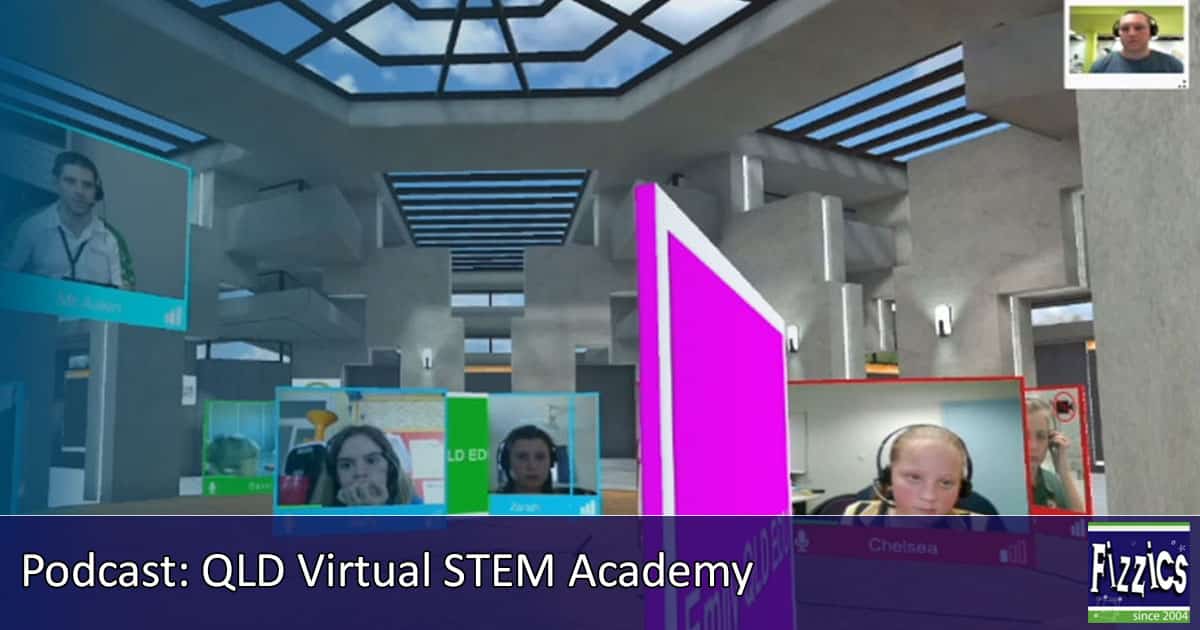
[00:27:01]Wendy Bode: Oh, yeah. It’s honestly like this tiny little 3D world that the kids can immerse in. You’ve got your own avatar that you can walk around, you can jump. In the social area you’ve got boards that the kids can access, they can put a text on, they could upload pictures, they can use it as a whiteboard. There’s trees that have leaves that move. The kids love climbing the Ferris wheel at the back and they like to meet on the roof. I mean, what other classroom can you have a meeting on the roof and still be productive? There’s so many different spaces. We have a classroom space, we’ve got a lab space. You can add tables, you can remove tables, you can jump on a megaphone.
[00:27:43]Breeha Sinnamon: The kids can collaborate using spatial audio in a space where, just like in real life, if you move your little avatar away from theirs, they’re not disrupting anyone else. And you can move your little person over, hear all these little learning activities going on. And it’s just, yeah, it’s an immersive but amazing platform that I have not seen replicated anywhere else as successfully as IC does it.
[00:28:06]Ben Newsome: It is a lot of fun. Does IC stand for anything in particular?
[00:28:10]Wendy Bode: I see, as in I see you.
[00:28:13]Ben Newsome: Oh cool! Yeah. I mean I… not even close. I mean, I was lucky enough to see it when it was in its… I don’t know if it was infancy, but certainly around 2012, 2013 it was, you know, just been developed. And what was really cool is, honestly, what you describe: avatars, you know, a picture of the person with their smiley face and it turns left and right and you can see people and whatnot. But the fact it does spatial audio is very cool. Because that means that all of a sudden you could almost have thousands of people in one space and not banging over everybody talking over the top of each other. Because you know, that is just genius. Really cool.
[00:28:49]Wendy Bode: Well I was gonna say, we would often in the space, the kids would go off in groups and they’d collaborate in a board and the teacher would look around. Just a little bit bigger than a classroom. But that’s exactly what happens.
[00:28:59]Ben Newsome: No, it’s really cool. And I’ve always sort of thought what would be kind of neat is, you know how you have the music concerts and they’ve got the different stages and all the different bands playing, you could effectively have the same sort of thing. Virtual projects, virtual you know, they can be showing their posters, they can be showing whatever the thing they’ve been doing.
[00:29:16]Breeha Sinnamon: And the kids can go to what they’re interested in. Yeah, it’s just a cool place to check out.
[00:29:21]Ben Newsome: Just look up IC, absolutely. So that’s really cool. So I mean, so I’m guessing that the fact that you’re going up so quickly in numbers and whatnot, that produces obviously a bit of a challenge in terms of just managing internally. Like what you gotta do as things grow. Hey?
[00:29:36]Breeha Sinnamon: Right. That’s where the colour coordinating comes in, Ben!
[00:29:39]Ben Newsome: Yeah, it is. And that’s a natural thing for every place to do, but this is a really, really highly valuable thing. And the only I mean I guess the question is, I mean I’m just interested, it would be, what happens if you’ve got a student who’s not quite in your borders? Are they right now, are they able to play or is it maybe something that may come up in the future or not quite yet because of funding? Just just out of interest. Is that is that a thing? Like if you got someone just outside of border?
[00:30:05]Wendy Bode: It might be coming up in the future. I mean, yeah. Like at this point, you know, like we do have Solid Pathways joining us as well and just to make sure that we cover all of Queensland. But I have had lessons before with a Singapore school and that was after school. And it was really, really interesting. So, you know, anything, anything is possible.
[00:30:30]Glenn Beaumont: Yeah. We’re a bit entrepreneurial at times I think, the group of us. And that’s one of the things about the whole team, you know, there’s a great deal of professional respect and autonomy within the team. We know our mission, but we are given, you know, some leeway to go in and play and experiment with what we’re doing and how we’re doing it. It’s quite a rewarding place to be. Very unusual.
[00:30:53]Ben Newsome: That’s awesome. So I’m just actually wondering if, if a someone who’s wanting to set this up, I don’t know, they’re in a different state, another country, so to speak, and they go, you know what, we want to copy what you guys are doing. Not so much copy, but at least, at least emulate it so what you’ve been getting up to, because it obviously has some impact and it could be really, really cool for their students. What would be some advice when initially planning this stuff to make it so it works? Knowing that, you know, you’re three years down into this now, you’ve seen what works and what doesn’t and whatnot. What would be some advice for a strategic unit to be strategic about this implementation?
[00:31:31]Glenn Beaumont: Um, I’ll just throw I’ll just throw in, I’ll go conceptual I think. One of the greatest strengths of what we have is we’ve all come around a very strong common purpose. And sitting beside that, you know, is a commitment to, you know, STEM learning, deep STEM learning, student agency, appropriate pedagogies. And that’s the that’s the core of where we started. So everything we do sits around this, you know, deep thinking around the purpose and why and what we want to achieve. That’s probably the first thing that I would say. Operationally or organisationally, Wendy and Breeha are probably better than me.
[00:32:09]Wendy Bode: Oh no I actually agree Glenn in that you know, you always have to keep focusing on that vision. So that you don’t you don’t lose the whole purpose of why you’re doing it. And also advice would be not to go big. Like you need to start small because you don’t want the you don’t want to not you don’t want to ruin the experience. You need to maintain that quality. Because then there’s no point to it and you lose the vision again. So it’s always making sure people are on the same page.
[00:32:38]Glenn Beaumont: Yeah. We do a lot of work around quality assurance so everything that we do, all the units that we create, is all against that foundation, but all reviewed by each other to ensure that it fits our purpose and our vision and our goals.
[00:32:53]Ben Newsome: No, it’s brilliant. Now there’d be undoubtedly some people who would love to get in touch. So my question to you is, how do they do that? How do they get in touch?
[00:33:02]Wendy Bode: Um website. Look up the Queensland Virtual STEM Academy. So there’s two main websites that we use and but if you go through to the Queensland Virtual STEM Academy, you’ll find us there and there’s contact details for all of us. Because I’m based in Brisbane, Breeha in Rocky and Wendy in Townsville. So there might be some local connections there that are more appropriate.
[00:33:28]Ben Newsome: I’m gonna ask a random question. Have you actually ever been in the same room? Or has it always been virtual?
[00:33:34]Breeha Sinnamon: Not this year.
[00:33:36]Wendy Bode: Not this year.
[00:33:37]Breeha Sinnamon: No, we have been. We we would meet at least twice a year where we’d sit down for two days. Because that’s really important to build it’s it’s all for us about relationships and connections and a deep understanding. And you can do a lot more sitting down for two days than ten one-hour meetings online.
[00:33:59]Ben Newsome: Oh yeah. Absolutely so. It’s those conversations that happen over lunches where something gets creative that you weren’t really expecting to happen. That’s where it gets interesting.
[00:34:07]Breeha Sinnamon: Yeah. Absolutely. And it’s nice to have all our team together, Glenn, hey, as well. So like if we can get if I can get my teaching team from here and Wendy can bring hers and Glenn can bring his, they don’t often get to interact. Yet they’re all they’re all serving a common purpose, we all follow the same vision, but we never really get to interact as an entire group. So those days are really special.
[00:34:28]Ben Newsome: Absolutely so. Having come from quite a few years doing distance learning, nothing says that, you know, you need a bit of face-to-face. Face-to-face is just as important, totally, for sure. And look, I think what you’re doing is fantastic. I’d be very curious to see what happens in the future with this because I mean it doesn’t have to go massively crazy huge, but at the same point, every one of those kids I can hear are really being looked after and it’s really giving them an outlet. A creative outlet that yeah, it’s STEM, but there’s an A in there, there’s a STEAM, there’s an artistic ability to be able to create new stuff. And gee whiz, I’d love to see the showcases as they as they get created. Very cool.
[00:35:09]Wendy Bode: Yeah, absolutely.
[00:35:10]Ben Newsome: Well done. Well, thank you very much for your afternoon. Thank you for hanging out in term three, so the thick of everything. Which is a busy time, and you know, a week after National Science Week, no doubt. So, thank you so much, and well done to the industry partners and the university partners who have been backing you because you are just as important. And really, this is really cool, and love to see where this goes next.
[00:35:35]Glenn Beaumont: Great. Thanks Ben.
[00:35:36]Breeha Sinnamon: Thanks Ben.
[00:35:38]Announcer: Not all TPL for teachers is as awesome as it could be. I feel like there’s a lot of PowerPoint presentations, a lot of sitting and listening to someone talking. Well, if you want a break from that, Fizzics TPL sessions are fully hands-on, fully integrated with the curriculum, and full of amazing science ideas that you can put in your classroom right now.
[00:35:59]Ben Newsome: Well there we go. We just heard from Glenn Beaumont, Breeha Sinnamon and Wendy Bode who you can really tell love their STEM and their virtual teaching of it, which is so very cool through the QVSA. So tell you what, I reckon it’s well worth checking out the Queensland Virtual STEM Academy. So jump on their website. Type in qvsa.eq.edu.au. Again, qvsa.eq.edu.au. You can find out all about this. You can find out about their vision, their structure, the benefits to students, and how you might be able to get involved. Especially if you’re from Queensland, and especially for rural and remote people, time to apply. I reckon so.
[00:36:35]Ben Newsome: So remember it’s for grades 5 through to grade 9. But as you can hear from our three educators, they are very open minded to see where else this programme can take them. And how cool is this? I’d love to actually honestly catch up with them again in a couple of years time and find out you know, finding out all about the impact and just how far and wide this really goes because this virtual space is a really good idea and I got this funny feeling it’s going to keep growing and growing and growing.
[00:37:01]Ben Newsome: So, that is enough from me from the Fizzics Ed Podcast. I hope you’ve been enjoying the series as we’ve been going along. We have more coming up, and I’m certainly enjoying doing this. So again you’ve been listening to me, Ben Newsome from Fizzics Education, and you’ve been listening to the Fizzics Ed Podcast. I will catch you another time.
[00:37:43]Announcer: This podcast is part of the Australian Educators Online Network. aeon.net.au
Frequently Asked Questions
What is the primary purpose of the Queensland Virtual STEM Academy (QVSA)?
The QVSA was established to provide enrichment and extension opportunities for high-potential students in regional, rural, and remote areas. It aims to connect these students with specialist teachers, industry experts, and a cohort of like-minded peers that they might not otherwise have access to in their local settings.
How does the academy deliver its lessons to students across such a large state?
The academy utilises synchronous video conferencing technology to create a ‘virtual’ classroom. This allows students from multiple schools to log in simultaneously and participate in real-time, interactive lessons that focus on inquiry-based learning and collaborative problem-solving.
What distinguishes the QVSA curriculum from standard school science?
The curriculum is designed to be highly immersive and authentic. It often involves ‘grand challenges’ and uses real-world data provided by university and industry partners, such as James Cook University and CQUniversity, ensuring that students are working on relevant, high-level scientific enquiries.
Who can participate in the programmes offered by the virtual academy?
The programmes are generally targeted at students in Years 5 to 9 who demonstrate an interest and aptitude for STEM. This includes students from state schools across Queensland, with specific pathways like ‘Solid Pathways’ designed to support and extend Indigenous students.
What is the significance of university partnerships in this model?
Partnerships with universities provide students with access to cutting-edge research and professional mentors. This exposure helps demystify higher education and career pathways in STEM, while providing a level of academic rigour that prepares students for senior schooling and beyond.
Discussion points summarised from the QLD Virtual STEM Academy with AI assistance, verified and edited by Ben Newsome CF
Extra thought ideas to consider
Collaboration in Digital Spaces
One of the most powerful outcomes of virtual academies is the social connection. For a gifted student in a small regional town, being the ‘only one’ interested in complex physics or coding can be isolating. Digital platforms should be viewed not just as content delivery systems, but as essential tools for social-emotional support, allowing students to find their ‘intellectual group’ across geographic boundaries.
Moving from Simulation to Reality
STEM education often relies on simulated experiments or simplified textbook problems. The QVSA model suggests that students are more engaged when they work with ‘messy’ real-world data provided by industry partners. Educators should consider how they can bridge the gap between classroom theory and actual ongoing research to increase the authenticity of the learning experience.
Recognised by
22 years, award-winning work, 1 purpose
Recognition from business, education and industry bodies across Australia.
Australian Small Business Champion
Multiple years
CILC Pinnacle Award and Hall of Fame inductee
Center for Interactive Learning and Collaboration
Western Sydney Awards for Business Excellence
Winner
Top 100 Coolest Company
Listed
Local Business Awards
Winner
We value your privacy
We use cookies to improve your experience. Essential cookies are always active. You can choose which optional cookies to allow.We use cookies. Optional ones stay off unless you allow them.Privacy policy