
Make a ‘beanhouse’ (Alternate Version)
A classic bean growth science activity for kids! This experiment will show you step by step using simple materials easily found in the shops.
Adult supervision for setup
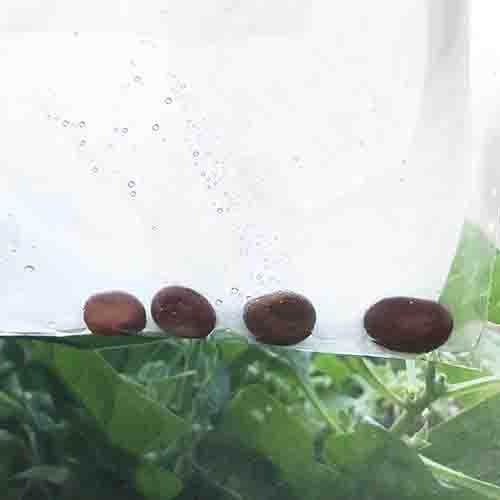
You will need
- One clear re-sealable plastic bag
- Paper or cotton balls
- Compost soil mixture from a nursery or supermarket*
- One packet of bean seeds
- Water
Method
-
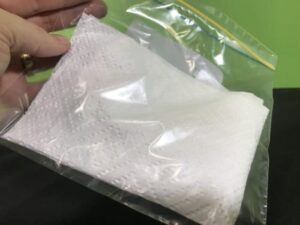
Place paper or cotton balls in the bottom of a re-seal kitchen bag and moisten with water.
-
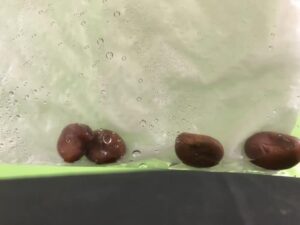
Put your beans into the bag and seal it.
-
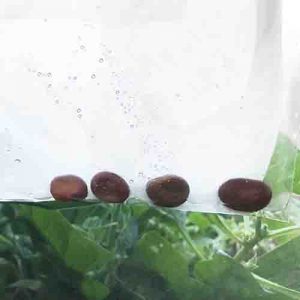
Tape the bag against a window and watch the beans sprout over time.
You could also see the effect of adding salt or sugar to the bags or perhaps light vs. dark. Which condition produces the fastest bean growth? It’s all about variable testing!
-
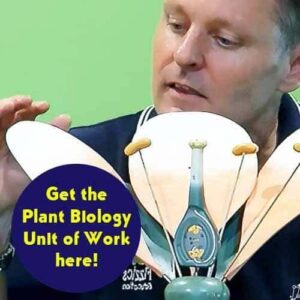
Get the Unit of Work on Plant Biology here!
- Learn about the parts of a flower
- Discover how vascular tissue transports water & sugars around the plant
- Learn about plant pigments and adaptations to the environment
- From photosynthesis to transpiration & more, there’s a heap covered!
Includes cross-curricular teaching ideas, student quizzes, a sample marking rubric, scope & sequences & more
-
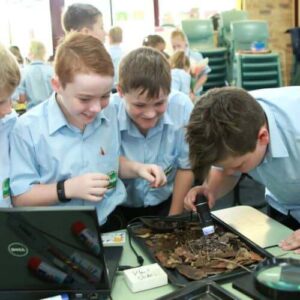
School science visits since 2004!
– Curriculum-linked & award-winning incursions.
– Over 40 primary & high school programs to choose from.
– Designed by experienced educators.
– Over 2 million students reached.
– Face to face incursions & online programs available.
– Early learning centre visits too!
-

The science behind it
Why Does This Happen?
Find out for yourself!
Growing your own beans in a PET bottle can be a lot of fun, but you can also use these beans to investigate factors that affect plant growth. Try setting up different bottles and changing one thing to see the effect (eg. the amount of water or light they get or adding salt to the soil). Changing one variable and seeing the result is part of the scientific method and we strongly encourage it!
Variables to test
- Try adding equal amounts of salt, sugar, baking soda, citric acid or jelly crystals in replicants of your experiment. Does this make a difference in germination rates?
- Use different amounts of water on each test to see the effect of watering on germination.
- Use light vs dark areas.
- What happens if you turn a bag upside-down during the growth process?

Teacher's note
Curriculums change, and so does the way you implement them in your classroom. Please use your own experience and knowledge of your students to use these resources to best effect for student learning.
Still want the curriculum links?
Here are the suggested links:
Australian Curriculum (ACARA) Science:
NSW Science syllabuses:
Victorian Curriculum Science:
Want this experiment — and many more — running in your classroom?
Have us visit your school — every student gets three hands-on experiments in 60–90 minutes with a qualified presenter.








