
Make toffee
This experiment will have you drooling over the materials, Learn how to make toffee with this cool experiment. Part of > 150 free science experiments.
Adult supervision for setup
Method
-
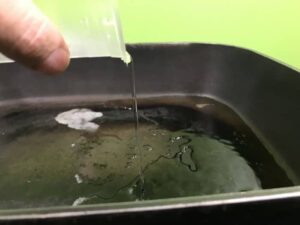
Carefully heat the water and vinegar in the saucepan.
-
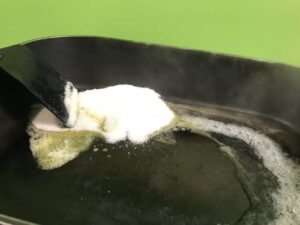
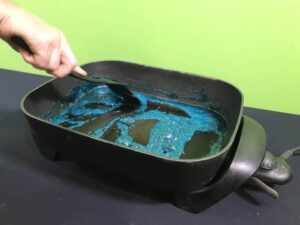
Add the food colouring and sugar into the saucepan and stir constantly, slowly dissolving the sugar and bring the mixture to a boil. Allow to simmer for 10 minutes. Frequently check the mixture to avoid boiling or overflowing.
-
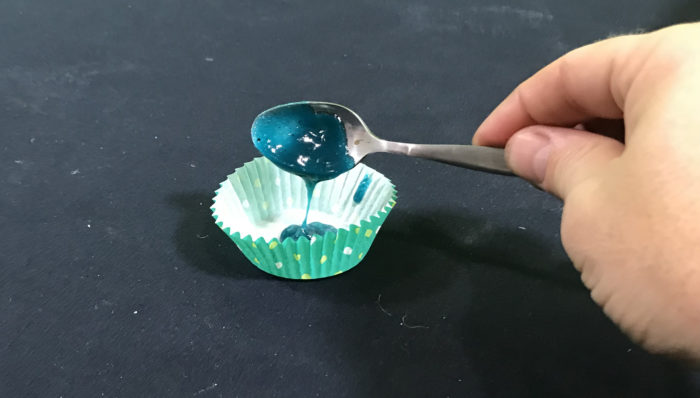
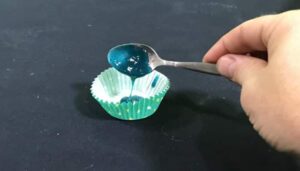
With the help of an adult, carefully pour the mixture into the cupcake paper and place as string in each of the mixtures.
-
Let it cool, and setter for several hours.
-
Live remote classes with experienced distance educators
Discover >30 virtual workshops designed to engage students isolated at home.
- Direct curriculum links
- Up to 30 homes can connect together.
- Live classes – students can question & answer our educators and participate in experiments using household materials
- Simple connection via one-click connect
- Based on 10 years of distance education experience & global best practice
Multi-award-winning distance classes available to keep up student enthusiasm & enrichment!
The science behind it
Why Does This Happen?
Toffee is made from a supersaturated solution of sugar and water. Sugar is dissolved in heated water. When it cools, the sugar crystallises. Seed crystals or a rough string help the crystals nucleate and start to grow – crystals growing from molten rock in a magma chamber work on the same principle.
Variables to test
- If you add less heat, what happens to the sugar?
- What happens if you rapidly freeze the toffee mixture?
- Does food colouring make a difference?
Teacher's note
Curriculums change, and so does the way you implement them in your classroom. Please use your own experience and knowledge of your students to use these resources to best effect for student learning.
Still want the curriculum links?
Here are the suggested links:
Australian Curriculum (ACARA) Science:
NSW Science syllabuses:
Victorian Curriculum Science:
Want this experiment — and many more — running in your classroom?
Have us visit your school — every student gets three hands-on experiments in 60–90 minutes with a qualified presenter.








