
10 Ways to Reduce Energy Needs
Follow these 10 steps to reduce your household energy consumption. It's great for the environment and may even end up saving you a few dollars!
Adult supervision for setup
You will need
- Compact fluorescent globes
- Water-saving shower rose
- An open mind!
Method
-
Change your 40W incandescent light globes to 8W compact fluorescent globes.
Fluoro’ globes don’t waste energy as heat like incandescent globes. These globes last up to
8 times longer, use less energy for the same light output and only cost marginally more money.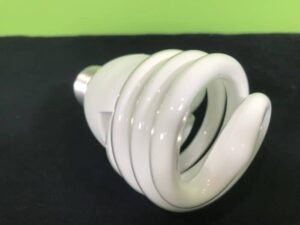
-
Install a water saving shower rose in your shower.
Hot water needs to be heated by either natural gas or electrical elements.
By conserving hot water you reduce the need to heat large volumes of water and so save energy.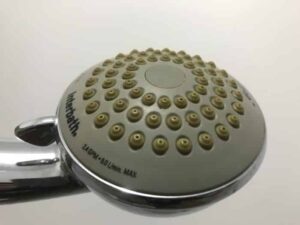
-
Do you really need your electrical appliances to be ‘on’ when you’re not at home?
In other words, change your habits – turn lights and computer monitors off when they are not in use.
Turn them off at the wall instead, the standby mode of appliances still uses electrical energy.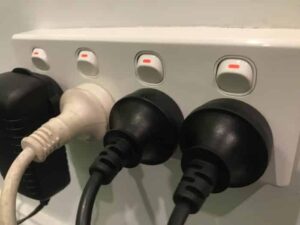
-
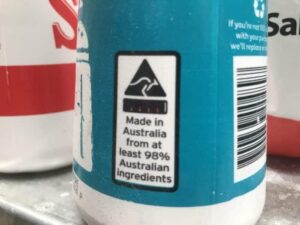
Consider purchasing locally made products, rather than those imported from overseas.
Importing goods requires energy for transport. Plus, using locally made goods supports your local economy. Also, buy energy efficient appliances, i.e. check their energy rating before purchase.
-
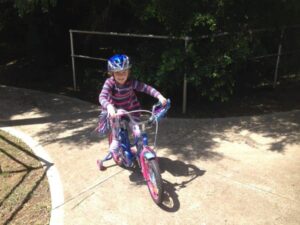
If you need to go the local shops for milk and bread, walk or ride a bike.
Better for your health and even better for the environment.
-
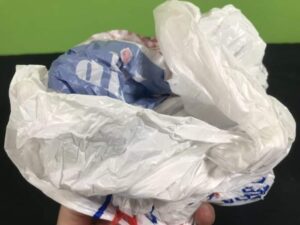
Reduce your consumption of throw away plastic bags
Plastic bags require energy to be made and transported and when thrown away they go into landfill
-
Offset your carbon emissions from your car by planting trees in your home.
Trees remove carbon dioxide from the air during photosynthesis. If you can’t plant a tree at your home, there are many non-profit organisations that will plant trees for you for a small fee.
See the Australian link to Greenfleet for more information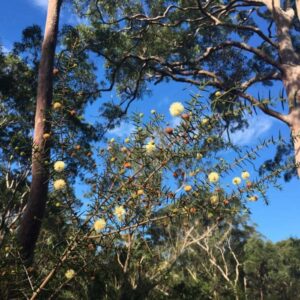
-
Consider buying your electricity through a ‘Green Power’ supplier or similar.
These suppliers provide electrical energy through renewable energy sources.
Check the Australian government’s green power website for more details.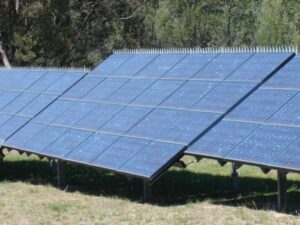
-
Consider reducing your red meat consumption to 2 – 3 serves a week.
The production of red meat for food can take up to 40 times the amount of energy as that required for the same amount of vegetable material. Plus, the human body is much healthier when meat consumption is lowered and vegetable and fruit consumption is raised. This does not mean stop eating meat, we are omnivores after all, just consider reducing the amount of meat you eat per week.

-
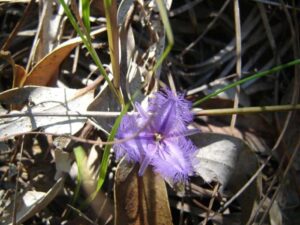
Install drip irrigation into your garden, rather than watering plants using a sprinkler.
Drip irrigation delivers water directly to the roots of the plants. Sprinkler systems waste water by allowing large volumes of water to sit on plant leaves, which eventually evaporates.
-
School science visits since 2004!
– Curriculum-linked & award-winning incursions.
– Over 40 primary & high school programs to choose from.
– Designed by experienced educators.
– Over 2 million students reached.
– Face to face incursions & online programs available.
– Early learning centre visits too!
-

The science behind it
More information
Conventional electricity generation through burning coal, driving petrol cars and using natural gas emits carbon dioxide into the atmosphere, a greenhouse gas that is a major contributor to climate change. What is climate change?
Reducing your energy consumption directly affects the amount of carbon dioxide you release into the atmosphere. The added benefit is that reducing your electricity and gas consumption also reduces your power bill, a win-win situation!
Every tonne of recycled paper saves around 2.5 barrels of oil, 13 trees and 31,780 litres of water.
Find out how you can reduce your paper consumption.
Teacher's note
Curriculums change, and so does the way you implement them in your classroom. Please use your own experience and knowledge of your students to use these resources to best effect for student learning.
Still want the curriculum links?
Here are the suggested links:
Australian Curriculum (ACARA) Science:
NSW Science syllabuses:
Victorian Curriculum Science:
Want this experiment — and many more — running in your classroom?
Have us visit your school — every student gets three hands-on experiments in 60–90 minutes with a qualified presenter.








