
Create an ant farm
Learn how to create an ant farm with easy to do and cheap Science Experiment! Fun to do with Kids and can get a bit messy!
Adult supervision for setup

You will need
- You can buy ant farm kits online but below are the simple materials you could also use:
- Two jars with screw top lid, one larger than the other
- A dark cloth
- An insect pooter to collect the ants (instructions here)
- Choose a soil with a bit of texture so the tunnels don’t collapse (a sandy loam would be ideal).
- A water sprayer (atomizer) to keep the soil moist.
- Fruit slices to feed the ants.
Method
-
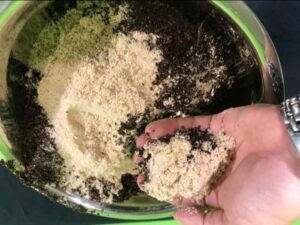
“Collecting soil from the garden”
When looking after your ants you can use a water spray (atomizer) to keep the soil a little bit moist… but don’t drown them!
Prepare the soil for your ants. You want the soil to be loose enough for them to tunnel but not so loose that the tunnel collapses. try mixing 2 parts clay with 1 part sand if you don’t have a comparable soil nearby. You can collect soil from your garden or alternatively use a little bit of potting mix and some sand from the gardening store.
-
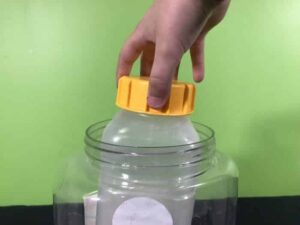
Place a small jar inside a larger jar. This creates a small gap where the ants will burrow through the soil and allow you to see their intricate tunnels.
-
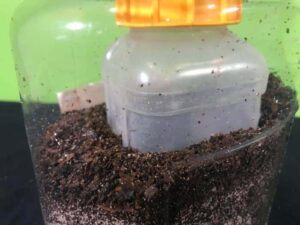
“Some different soil horizon models being used for the ant farms”
Pour the soil mixture into the gap between the two jars. If you want you could alternate soil textures to demonstrate different soil horizons as well as to create an avenue for variable testing.
-
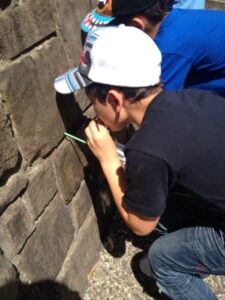
“Using an insect pooter to catch a small ant”
Using an insect pooter to catch a line of ants
-
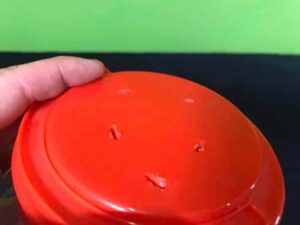
When you add your ants to your ant farm make sure that the lid is secured so they can’t get out. You should tiny holes in the lid to allow oxygen into the container.
-
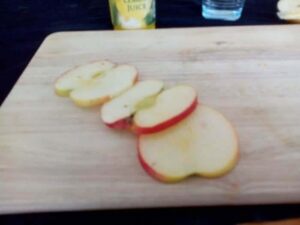
Cut apple slices for the ants to eat
Don’t forget to feed your ants! They love pieces of fruit as the fruit contains a variety of sugars that they need to grow. Just be sure to only give small amounts of fruit or you could introduce mould into your ant farm (if not everything is being eaten you’re feeding the ants too much food). Don’t be tempted to give them meat as rotten meat is a health hazard and could bring other pests into your ant farm.
-
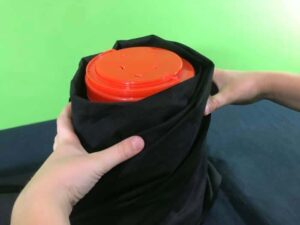
Finally, cover your ant farm with a cloth to simulate the darkness of being underground. This will mean that they will more likely burrow near the sides of the container. Also, keep the ants in a warm location but out of direct sunlight (the container will heat up too much otherwise).
-
Take regular observations of the ant farm tunnels as the days progress. This might be a great time to write a student blog!

-
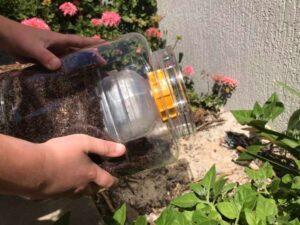
At the end of your experiment please release the ants back where you found them (no need for them to die!).
-
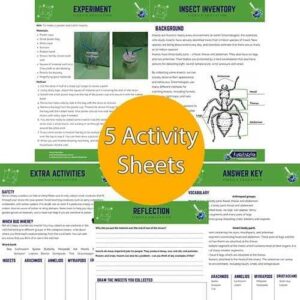
Go further – buy 5 x student activity sheets as extension worksheets.
This student science booklet has been created by experienced science educators from the Fizzics Education team.
Use these student worksheets as blackline masters for your science class!

-
School science visits since 2004!
– Curriculum-linked & award-winning incursions.
– Over 40 primary & high school programs to choose from.
– Designed by experienced educators.
– Over 2 million students reached.
– Face to face incursions & online programs available.
– Early learning centre visits too!
-

The science behind it
More Information
Ant farms need to be cared for. You can feed your ants food such as vegetable and fruit scraps or even dried cat food (avoid fresh meat). Don’t place the ant farm in strong direct sunlight or you will overheat the ant farm. If you’re not sure about the species of ant that you have, you can check with a local museum (avoid collecting ants that will sting you!).
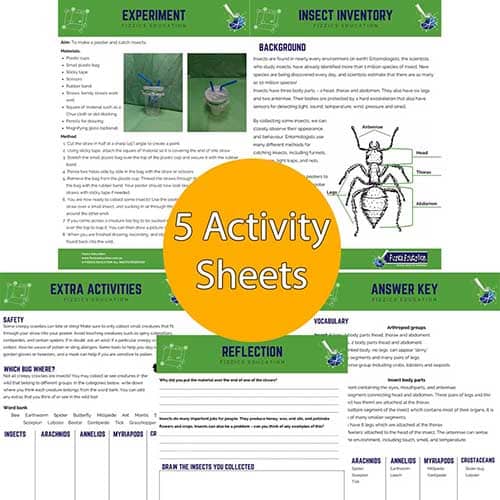
Classroom activity sheets for this experiment
Create, reflect & extend!

Teacher's note
Curriculums change, and so does the way you implement them in your classroom. Please use your own experience and knowledge of your students to use these resources to best effect for student learning.
Still want the curriculum links?
Here are the suggested links:
Australian Curriculum (ACARA) Science:
NSW Science syllabuses:
Victorian Curriculum Science:
Want this experiment — and many more — running in your classroom?
Have us visit your school — every student gets three hands-on experiments in 60–90 minutes with a qualified presenter.








