
Rusty nail experiment
Find out which liquid causes the most rust on a nail. Part of 150 free science experiments, all of which are easy and fun to do!
Adult supervision for setup
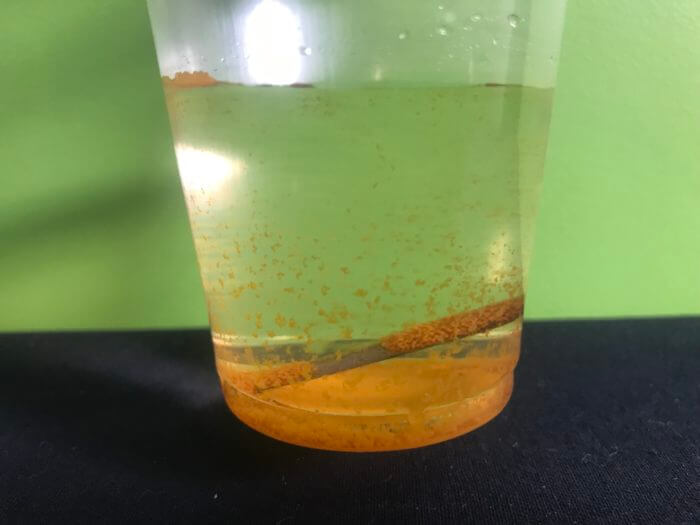
You will need
- 6 Test tubes or plastic cups
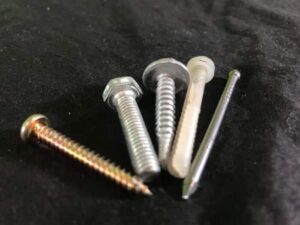
- 6 Steel nails (avoid galvanised ones)
- Coke
- Water
- Lemon juice
- Vinegar
- Cooking oil
- Optional: Saltwater, detergent
- Adult supervision
Method
-
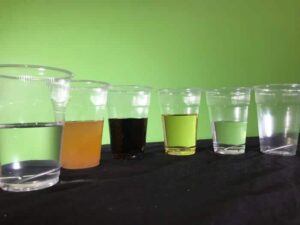
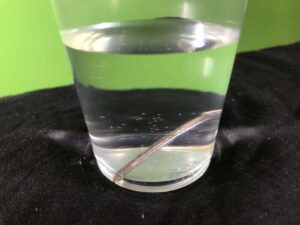
Set up the 6 test tubes or cups as shown in the picture above. This experiment is very much about variable testing!
-
Take a photo and write down your observations of each nail at the start of the experiment. This is also a good time to enter this into your own classroom blog!
Optional: Weigh each nail with an accurate scale at the start and the end of the experiment.
Optional: Try different nails in the same liquid… do they rust differently?
-
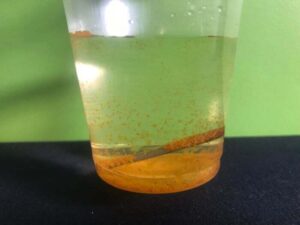
Over the coming days take recordings of each nail’s condition.
– Which nail showed rust first?
– If you were able to weigh each nail at the end of the experiment, was there any difference between the nails? Why?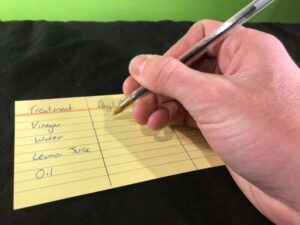
-
This setup is just one way of running this classic rust experiment. You could also try the following experiment conditions too:
- nail completely submerged in water vs. half submerged.
- nail completely submerged in water with a layer of oil over the top of it.
- nail in salt water vs. nail in pure salt
-
You could also try normal steel nails vs. steel wool to investigate the effect of surface area on rusting rates as well.
-
School science visits since 2004!
– Curriculum-linked & award-winning incursions.
– Over 40 primary & high school programs to choose from.
– Designed by experienced educators.
– Over 2 million students reached.
– Face to face incursions & online programs available.
– Early learning centre visits too!

-

-
Want to dive into acid-base chemistry?
Get the 30-minute video + PDF + curriculum links for your class here!

The science behind it
Why Does This Happen?
The Science of the Rusty Nail Experiment
Rusting is a common example of corrosion. It is a chemical reaction known as oxidation, where iron atoms react with oxygen and water to create a completely new compound: iron oxide. This reddish-brown flaky substance is what we commonly call rust!
Iron + Oxygen + Water → Iron Oxide (Rust)
While we usually see rust on objects left out in the rain, it can also happen entirely underwater. Carbon dioxide from the atmosphere dissolves in water to form a very weak acid called carbonic acid. This slightly acidic environment helps dissolve small amounts of iron, allowing the free oxygen in the water to react more easily with the metal to form rust.
This process is typically very slow, but it can be accelerated by certain environmental factors. Interestingly, while we use the word “rust” specifically for iron and steel, other metals undergo similar oxidation. For example, copper turns a distinct green colour (called a patina) when it oxidises!
Variables to test
Find out more on variables here.
-
Dissolved Oxygen Levels
Try boiling the water first. Boiling removes dissolved gases like oxygen. Does a nail in boiled water rust slower than one in tap water? -
Electrolytes & Solutions
What happens when you use different liquids like vinegar, salty water, or orange juice? Saltwater is a great electrolyte; does it speed up the movement of electrons and make the nail rust faster? -
Protective Coatings
Try using galvanised nails (nails coated in zinc). Zinc is more “reactive” than iron and will corrode first to protect the iron underneath. This is known as sacrificial protection. -
Surface Area
What if you use steel wool or iron filings instead of a solid nail? Increasing the exposed surface area usually makes a chemical reaction happen much faster. -
Physical Damage
If you scratch the nail with sandpaper first, does it rust faster? This removes any protective oils or coatings applied during manufacturing, exposing the raw iron to the environment.
No matter which variable you try, remember to keep your “control” nail in a dry, safe place for comparison. This ensures your results are valid and follows the scientific method!

Teacher's note
Curriculums change, and so does the way you implement them in your classroom. Please use your own experience and knowledge of your students to use these resources to best effect for student learning.
Still want the curriculum links?
Here are the suggested links:
Australian Curriculum (ACARA) Science:
NSW Science syllabuses:
Victorian Curriculum Science:
Want this experiment — and many more — running in your classroom?
Have us visit your school — every student gets three hands-on experiments in 60–90 minutes with a qualified presenter.








