
Bubble Rainbow Rings
Rainbows and bubbles and light waves, oh my! We’re taking a look at the sciencebehind those beautiful rainbow patterns you find on the surface of bubbles!
Adult supervision for setup
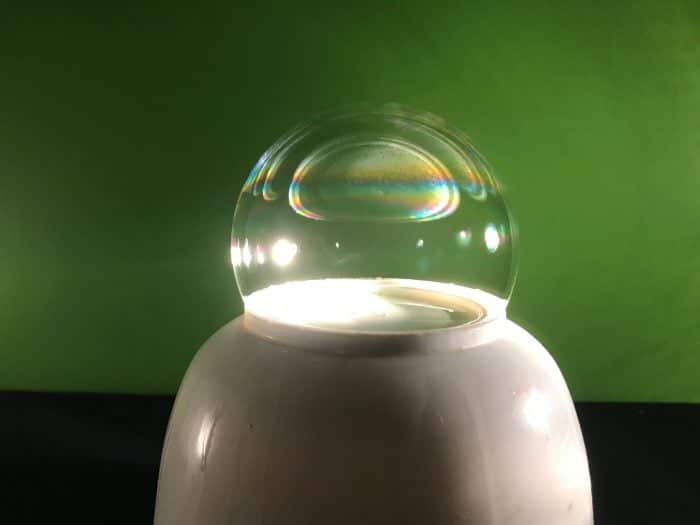
You will need
- Detergent
- Water
- Table Salt
- Plastic bowl
- Straw
- Bright torch
Method
-
Mix up some bubble mix (water plus detergent plus a sprinkle of salt).
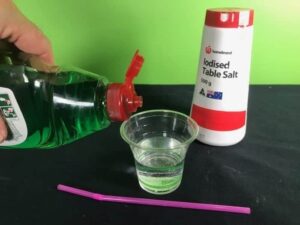
-
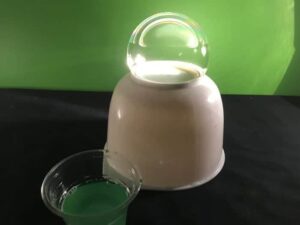
Coat the underneath of a plastic bowl with bubble mix, ensuring a coating across the whole surface.
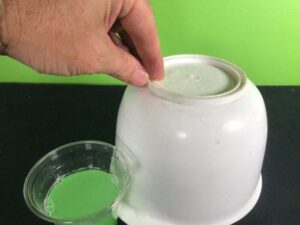
-
Use the straw to blow a bubble on the surface of the bowl.
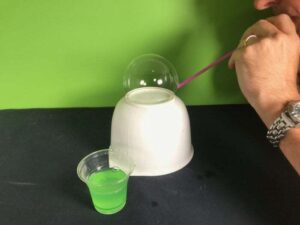
-
Shine your torch on the bubble from the side.
-
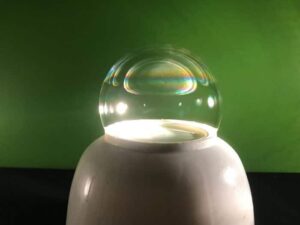
You should see perfect interference rings, especially when you’re looking from below the bubble.
-
School science visits since 2004!
– Curriculum-linked & award-winning incursions.
– Over 40 primary & high school programs to choose from.
– Designed by experienced educators.
– Over 2 million students reached.
– Face to face incursions & online programs available.
– Early learning centre visits too!
-

-
Get the Unit of Work on Light & Colour here!
- What is colour addition vs subtraction?
- What is opacity, translucence & transparency?
- What is the difference between refraction & reflection?
- Explore UV light, lenses, thermochromism and more!
Includes cross-curricular teaching ideas, student quizzes, a sample marking rubric, scope & sequences & more
The science behind it
What is Happening?
The Science of Bubble Rainbow Rings
Have you ever noticed the swirling, oily colors on the surface of a soap bubble? This beautiful effect isn’t caused by pigment or dye, but by the physics of light. It is a phenomenon known as Thin-Film Interference.
Light as a Wave
White light is actually a mixture of many different colors, each with its own unique wavelength. These range from red (around 700 nm) with the longest wavelength, down to violet (around 380 nm) with the shortest.
When light hits a bubble, it encounters a “thin film” of soapy water. Some light reflects off the outer surface, while some travels through the soap and reflects off the inner surface. When these two reflected waves meet back up, they interfere with each other.
-
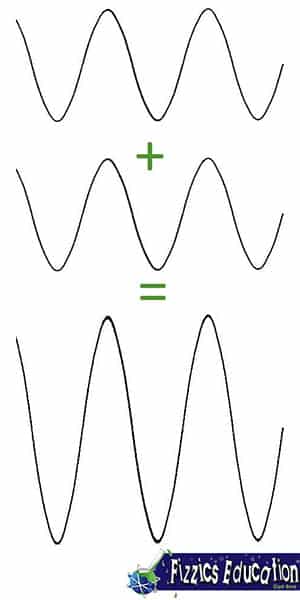
Constructive Interference: This occurs when two identical waves are in sync (in phase). Their amplitudes add together to create a brighter, taller wave. On a bubble, this results in the bright, vivid colored rings we see.
-
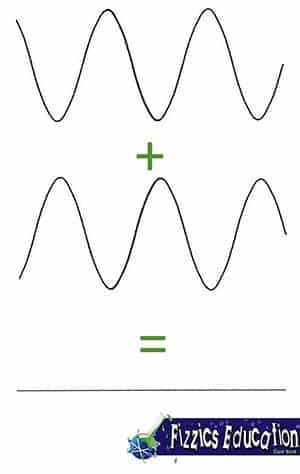
Destructive Interference: This happens when waves are out of sync (180 degrees out of phase). The crest of one wave meets the trough of another, and they cancel each other out. This is where you see the darker bands or “gaps” in the colors.
Why the Swirling Colors?
Whether the interference is constructive or destructive depends on two things: the wavelength of the light and the thickness of the bubble wall.
Because the soap film isn’t perfectly even, and gravity constantly pulls the liquid downward, the thickness of the bubble is always changing. As the film thins out, different colors are boosted or canceled, creating the swirling, rainbow-like “fringes” that shift before your eyes.
Variables to test
Find out more on variables here.
-
Surface Tension and Concentration
Does the brand of detergent change the intensity of the colors? Different soaps have different chemical compositions that might affect the thickness of the film. -
Light Spectrum
What happens when you shine a monochromatic light (like a red LED) at the bubble instead of white light? Do you still see a rainbow, or just red and black bands? -
Thermal Energy
Does the water temperature change the result? Temperature affects the viscosity of the liquid; does warm water make the colors swirl faster? -
Evaporation Rate
How does the humidity in the room affect how long the colors last? As water evaporates, the film thins faster—does this change the color progression?
To ensure a fair test, try to keep your bubble rings the same size for each trial, as the total surface area can change how quickly the liquid drains!

Teacher's note
Curriculums change, and so does the way you implement them in your classroom. Please use your own experience and knowledge of your students to use these resources to best effect for student learning.
Still want the curriculum links?
Here are the suggested links:
Australian Curriculum (ACARA) Science:
NSW Science syllabuses:
Victorian Curriculum Science:
Want this experiment — and many more — running in your classroom?
Have us visit your school — every student gets three hands-on experiments in 60–90 minutes with a qualified presenter.








