
Make Tasty Blood!
Learn about the structure of blood and how blood works with this, fun, simple and delicious experiment for home or the classroom!
Adult supervision for setup
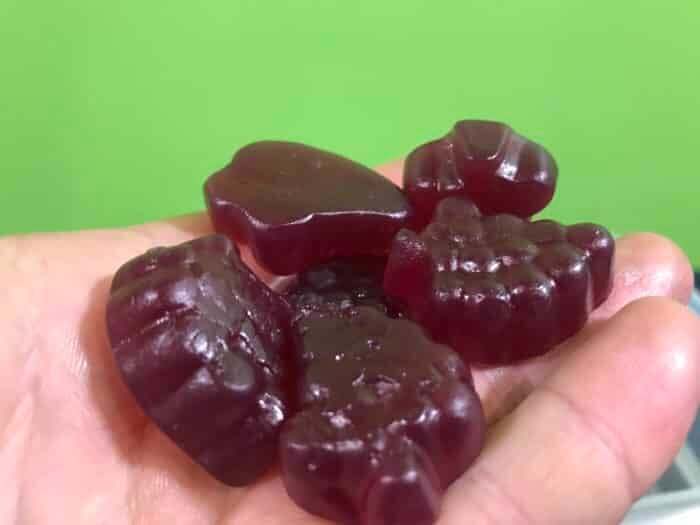
You will need
- Raspberry jubes
- Corn syrup (or glucose syrup). You can also use gelatin too
- Sprinkles or hundreds and thousands
- White jelly beans or marshmallows
- A cup and spoon to mix it all in
Method
-
Mix the four main components of blood in the correct quantities:·
Red blood cells (Raspberry jubes)
Makes 44% of blood volume, carrying oxygen and carbon dioxide around the body. Red blood cells only live for about 3 months but are continuously produced in the bone marrow.Known as erythrocytes
Plasma (corn syrup)
Makes 55%, of blood volume, looking like a thick, clear, yellowish liquid that carries dissolved food (nutrients) towards the bodies’ cells and transporting waste products for disposal by the liver.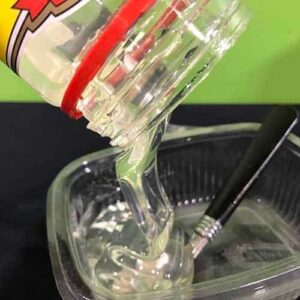
-
White blood cells (white jelly beans or marshmallows)
Makes 0.5% of blood volume. These cells are bigger than red blood cells, coming in different shapes and sizes. They destroy bits of old blood cells and attack germs (bacteria) by ‘eating’ them (phagocytosis).Collectively known as leukocytes.
Platelets (sprinkles/hundreds and thousands)
Makes 0.5% of blood volume, they help clot your blood so that you stop bleeding when you’re injured.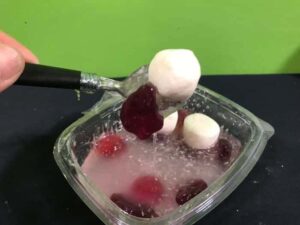
-
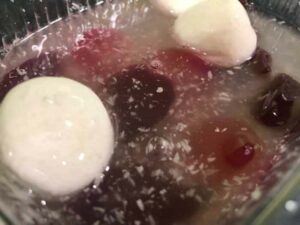
Mix the candy “blood” in a large, clear container, making sure that you emphasize the the proportions of red blood cells to white bloods (etc) are correct in human blood.
Dispense into small cups and pass out one cup to each student. Mix with spoons so that the relative amounts of the blood components are correct (see above!)
Time to eat!
-
School science visits since 2004!
– Curriculum-linked & award-winning incursions.
– Over 40 primary & high school programs to choose from.
– Designed by experienced educators.
– Over 2 million students reached.
– Face to face incursions & online programs available.
– Early learning centre visits too!
-

-
Get the Unit of Work on the human body here!
- Learn about the major body systems
- Dive into the five senses
- How does digestion, respiration, circulation and many other processes work and more!
Includes cross-curricular teaching ideas, student quizzes, a sample marking rubric, scope & sequences & more
The science behind it
More Information
Blood is a vital fluid in our body that is pumped by the heart through our blood vessels. It is made up of several different types of cells and components that work together to keep our bodies healthy.
The three main types of blood cells are red blood cells, white blood cells, and platelets.
- Red blood cells, also known as erythrocytes, are responsible for carrying oxygen from our lungs to different parts of the body. They are shaped like small, flexible discs with a dent in the middle, which helps them to carry more oxygen.
- White blood cells, also called leukocytes, are part of the immune system and help to fight off infections and diseases. There are different types of white blood cells, each with its specific function. For example, neutrophils are the most common type of white blood cell and help to fight off bacterial infections, while lymphocytes are essential for fighting viruses and cancer cells.
- Platelets are tiny cells that help in blood clotting. When we get a cut, platelets stick together to form a clot that stops the bleeding.
In addition to these blood cells, there are also other components in the blood, such as plasma and nutrients.
Plasma is the liquid part of the blood that helps to carry blood cells and other substances throughout the body. It contains water, salt, and proteins that are essential for our body’s functions.
Nutrients, such as glucose, amino acids, and fats, are carried by the blood to different parts of the body, providing energy and building blocks for growth and repair.
Learn more about haemophilia (inability to clot blood) vs. Factor V Leiden thrombophilia (blood clots too easily).

Teacher's note
Curriculums change, and so does the way you implement them in your classroom. Please use your own experience and knowledge of your students to use these resources to best effect for student learning.
Still want the curriculum links?
Here are the suggested links:
Australian Curriculum (ACARA) Science:
NSW Science syllabuses:
Victorian Curriculum Science:
Want this experiment — and many more — running in your classroom?
Have us visit your school — every student gets three hands-on experiments in 60–90 minutes with a qualified presenter.








